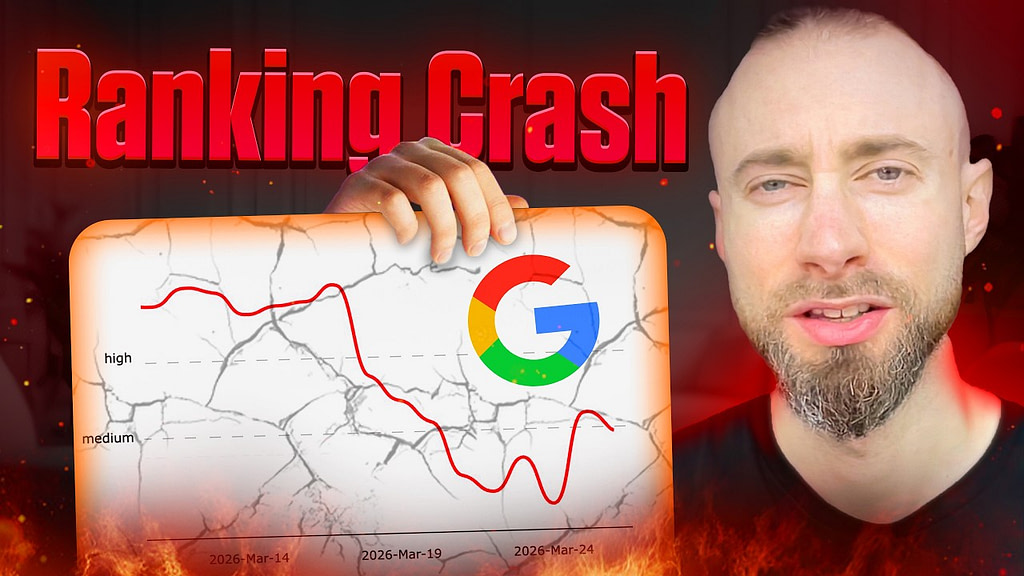
Google released the March 2026 spam update on March 24th and it concluded just one day later on March 25th marking it as likely the fastest rollout in the company’s history. While traditional updates often take weeks to complete this surgical strike specifically targeted automated content and low quality pages at a global scale.
Watch the full breakdown in the video below:
Source: Edward Sturm
The Speed and Scope of the Update
The remarkably short 24 hour window suggests that Google utilized a highly specific set of criteria rather than a broad sweep of the entire web.
- Global Reach: The update applied to all languages and regions simultaneously.
- No New Categories: Unlike previous years this update did not introduce new policy categories but instead focused on tightening enforcement for existing rules regarding scaled content abuse.
- Exclusions: Early analysis indicates that this particular update did not target link spam or site reputation abuse also known as parasite SEO.
Winners and Losers in the Aftermath
The impact of the update has been polarizing with some sites experiencing massive traffic spikes while others saw immediate drops.
- Spammy Domains: Sites relying on exact match domains for high competition queries or thin AI generated content farms reported losing up to 50% of their traffic.
- Quality Content: Pages that prioritize “helpful content” and robust internal linking saw significant gains with some reports of traffic tripling overnight.
- Parasite SEO: Despite industry hopes that this update would curb parasite SEO some high authority subdomains actually saw increased visibility after the rollout.
Strategies for Compliance
Google utilizes SpamBrain an AI based prevention system to identify patterns in low quality writing and automated content.
- Human Oversight: Using AI to assist in writing is acceptable but generating mass quantities of unreviewed content often leads to factual errors and high bounce rates which Google penalizes.
- Simultaneous Marketing: To maintain a natural growth profile publishers should focus on building legitimate links alongside their content production rather than just flooding the index with new pages.
- Internal Linking: Thoughtful internal link structures are becoming increasingly important for maintaining rankings during these volatile periods.
The Plot: See More
Enjoyed this breakdown? Get the plot as it happens. Follow us on X, TikTok, and Instagram.
– CH Media News
Here for the plot, always.
Disclaimer: This content is for informational and entertainment purposes only. The views expressed are personal opinions and do not constitute professional, medical, or financial advice.