

Navigating Financial Recovery in 2026: The Financial Diet
With the average American credit card balance rising to nearly $8,000, managing mid-level debt has transitioned from a personal hurdle to a national economic trend. Breaking the cycle of high-interest payments requires moving beyond avoidance and implementing a mechanical, non-emotional strategy.
The Mechanics of High-Interest Debt
Understanding the impact of interest is the first step in reclaiming financial control. The difference between minimum payments and aggressive payoff strategies is often tens of thousands of dollars.
- The Minimum Payment Trap: On a $7,000 balance with a 21% APR, making only the minimum payment can result in a 26-year repayment period and over $11,000 in interest alone (11:32).
- The Power of Doubling: Doubling that same minimum payment can reduce the repayment period from decades to just 23 months, saving nearly $10,000 in interest costs (11:44).
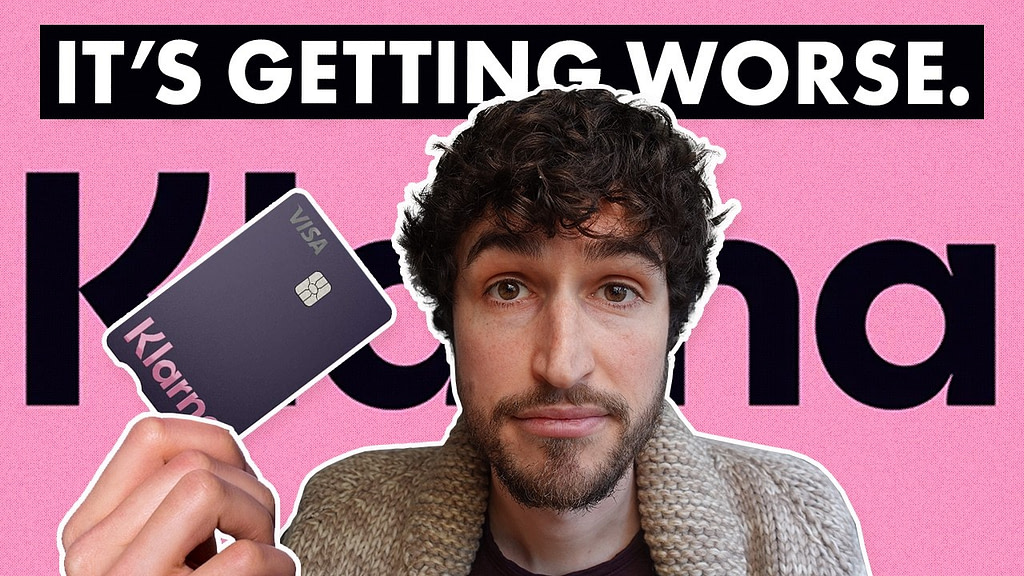
- Buy Now Pay Later (BNPL) Risks: Modern “pay later” apps have exacerbated debt levels, with BNPL users carrying an average of $871 more in credit card debt than non-users (09:00).
Watch the full breakdown in the video below:
Source: The Financial Diet
Strategic Steps for Debt Elimination
Successful debt recovery is built on a foundation of visibility and consistent methodology.
- Facing the Totals: List every debt, interest rate, and minimum payment. Avoidance is the primary driver of debt spiraling into collections (09:52).
- The Emergency Buffer: Establish a one-month emergency fund before “turbocharging” debt payments. This prevents new emergencies from forcing a return to credit card reliance (13:03).
- Repayment Methods: Choose between the Debt Snowball (paying smallest balances first for psychological wins) or the Debt Avalanche (paying highest interest first to save money) (13:43).
- Consolidation Options: Explore 0% APR balance transfer cards or consolidation loans, but remain vigilant about the high interest rates that kick in after the introductory period (14:38).
- Income Expansion: When a budget cannot be cut further, increasing income through overtime, freelance work, or side gigs is the only mechanical solution for aggressive payoff (16:01).
The Emotional Architecture of Spending
Long-term financial health requires addressing the “root cause” of debt, which is often tied to psychological triggers rather than simple math.
- Confronting Insecurity: Many debt cycles begin as an attempt to use spending to solve anxiety or fulfill a need for social belonging (18:26).
- Visualization as a Tool: Creating a “One-Day Budget” helps maintain motivation. (19:19).
The Plot: See More
Levi Hildebrand: Buy Now Pay Later: The Industry Plot Shift
Dan Martell: Realistic Ways to Make Money: Here’s How It Actually Works
Enjoyed this breakdown? Get the plot as it happens. Follow us on X, TikTok, and Instagram.
– CH Media News
Here for the plot, always.
Disclaimer: This content is for informational and entertainment purposes only. The views expressed are personal opinions and do not constitute professional, medical, or financial advice.